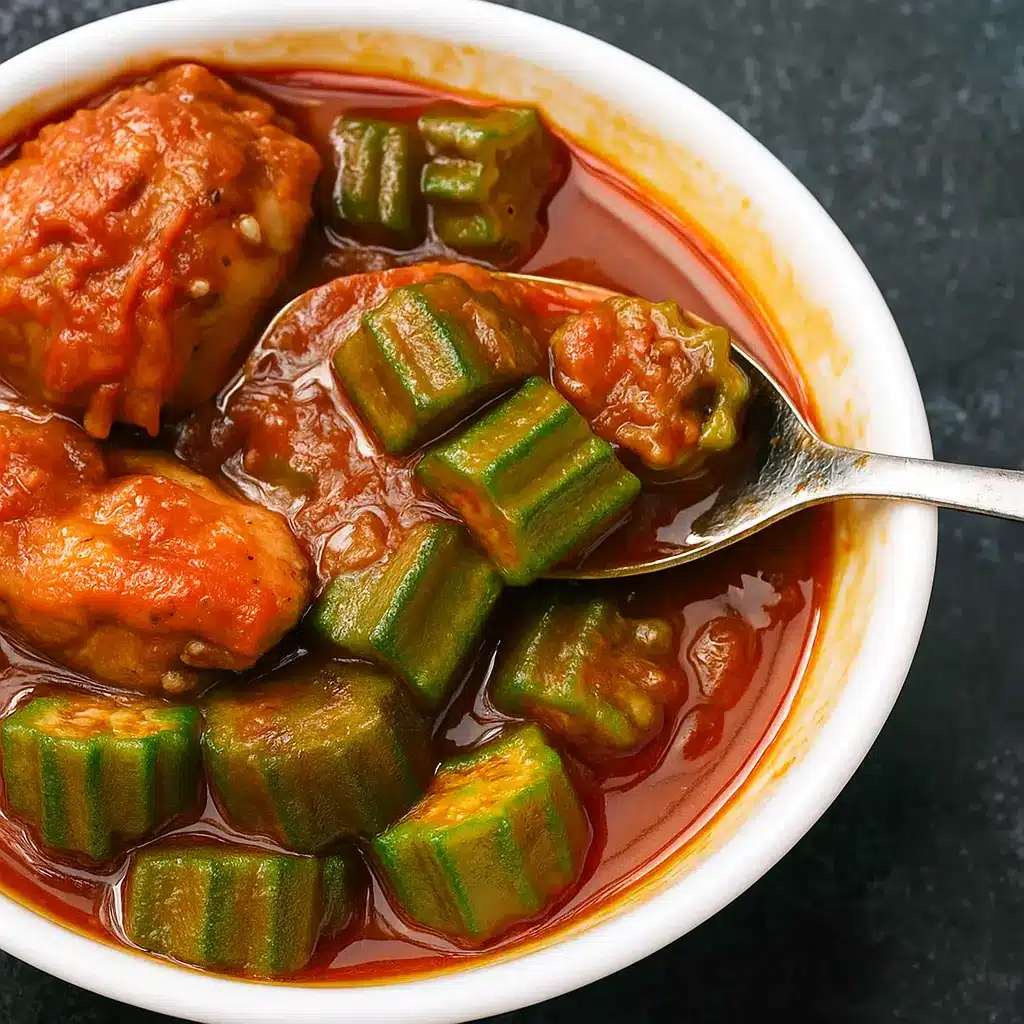
Easy Steps to Hearty Okra Stew: Vegetarian & Meat Options
Imagine a dish that’s both deeply comforting and incredibly versatile, capable of warming you on a chilly evening or offering a nutritious, satisfying meal any time of year. That’s the magic of okra stew. This beloved dish, cherished across diverse cultures from the American South to West Africa and the Middle East, promises a rich, thick, and flavorful experience. If you’ve ever shied away from okra due to concerns about its texture, prepare to have your perceptions deliciously transformed. We’re here to guide you through creating a perfect, non-slimy okra stew, offering options for both vibrant vegetarian versions and robust meat-based preparations.The Versatility of Okra Stew: From Garden to Global Table
Okra, often mistaken for a vegetable, is actually the seed pod of a flowering plant, a cousin to hibiscus and cotton. Its distinctive shape and subtly sweet flavor make it a culinary star in many parts of the world. From the robust gumbos of Louisiana to the spicy stews of West Africa and the aromatic Bamya of the Middle East, okra stew transcends borders, taking on unique characteristics with regional spices and ingredients. Understanding your okra is the first step to a successful stew. You can use either fresh or frozen okra, each with its own advantages:- Fresh Okra: When in season, fresh okra offers a vibrant, crisp texture. You’ll need to trim off the stem ends before cooking. Look for pods that are firm, bright green, and free from blemishes. Larger pods can sometimes be tougher, so many connoisseurs, especially in Middle Eastern cuisine, prefer smaller, younger okra for their tenderness.
- Frozen Okra: A convenient and often preferred choice, especially when fresh is out of season or when seeking those tender, mini pods. If using frozen okra, it's advisable to thaw them completely and pat them dry before cooking. This prevents excess water from diluting your stew's flavor and texture.
Conquering the "Slime": Secrets to a Perfect Okra Stew
The most common apprehension about okra is its mucilaginous texture, often described as "slimy." This natural property, while sometimes a deterrent, is actually what helps give okra stews their characteristic body and richness. However, if you prefer to minimize this effect, several culinary techniques can help you achieve a perfectly textured stew:- Sautéing is Key: This is arguably the most effective method. Sautéing the okra pods for several minutes before adding other liquids helps break down the mucilage, significantly reducing sliminess. Cook them until they develop a slight char or become lightly browned.
- Acidity is Your Friend: Acidic ingredients like tomatoes, lemon juice, or even a splash of vinegar can work wonders. The acidity helps to neutralize the mucilage, further reducing any perceived sliminess. This is often why okra stew recipes are so frequently tomato-based.
- Don't Overcrowd the Pan: When sautéing, cook okra in batches if necessary to avoid steaming. Too much moisture in the pan can prevent the okra from browning properly and can lead to more sliminess.
- Embrace the Natural Thickening: Once cooked into a stew, any residual mucilage will actually help to thicken the broth, creating that desirable hearty consistency. The goal isn't necessarily zero sliminess, but rather to harness its thickening power without an unpleasant texture.
- Cornstarch Slurry (Optional): If you find your stew isn't thick enough, or if a slight sliminess persists, a quick slurry of cornstarch and water can be stirred in during the final minutes of simmering to achieve your desired consistency.
Building Your Flavor Foundation: Essential Ingredients & Customization
At the heart of any great okra stew is a robust flavor base. Regardless of whether you opt for a vegetarian or meat-inclusive dish, the triumvirate of onions, garlic, and tomato paste forms the aromatic foundation. To ensure a smooth, lump-free texture, make sure to chop your onions to a small, uniform size and sauté them until they are soft and translucent before adding other ingredients.Vegetarian Okra Stew:
Start with the sautéed okra, onions, garlic, and tomato paste. From here, the possibilities are endless.- Aromatic Depth: Simmer your base in a rich vegetable broth. Spinach is a common addition, cooking down into a vibrant, herb-infused soup that contributes to both flavor and body.
- Boost the Nutrition: Incorporate other vegetables like diced potatoes, carrots, bell peppers, or even chickpeas for added protein and fiber.
- Spice it Up: Experiment with a medley of herbs and spices. Cumin, coriander, smoked paprika, and a touch of cayenne pepper can lend a warm, earthy flavor profile. Fresh herbs like cilantro or parsley stirred in at the end brighten the dish considerably.
Meat-Based Okra Stew (Bamya & Beyond):
- Middle Eastern Bamya: This classic features tender okra simmered in a rich tomato and meat-based sauce, traditionally with lamb, beef, or veal. A lamb or veal broth provides unparalleled depth, but beef or even chicken broth works beautifully. Generous amounts of garlic are a hallmark of Iraqi Bamya, lending a pungent warmth to the dish. The "secret ingredient" that elevates many Middle Eastern versions is a hint of pomegranate molasses, which adds a unique sweet and tangy note that perfectly balances the richness of the tomatoes and meat.
- Southern Comfort: In regions like Texas, okra stew often features tender chicken, simmered with bold tomato flavors until it's thick and satisfying. Browning your chosen meat (chicken pieces, beef cubes, or lamb) before adding the other ingredients is crucial for developing a deep, savory flavor.
Crafting Your Own Hearty Bowl: Step-by-Step Guide
Bringing together all these elements into a delightful okra stew is simpler than you might think. Here’s a general roadmap to guide you:- Prepare Your Okra: If using fresh, trim the stem ends. If frozen, thaw and pat dry.
- Sauté the Okra: In a large pot or Dutch oven, heat a generous drizzle of olive oil over medium-high heat. Add the okra and sauté for 5-7 minutes, stirring occasionally, until it starts to brown slightly and any sliminess diminishes. Remove the okra and set aside.
- Build the Aromatic Base: In the same pot, add a little more oil if needed. Sauté your uniformly chopped onions until soft and translucent (about 5-8 minutes). Add minced garlic and cook for another minute until fragrant. Stir in tomato paste and cook for 2-3 minutes, allowing it to deepen in color and flavor.
- Add Meat (if using): If your recipe includes meat, add browned cubes of lamb, beef, or chicken to the pot at this stage. Stir to coat with the aromatic base.
- Deglaze and Simmer: Pour in your broth (vegetable, chicken, beef, or lamb). Scrape up any browned bits from the bottom of the pot. Bring to a gentle simmer. Add your sautéed okra back to the pot, along with any additional vegetables or greens (like spinach). Season with salt, pepper, and your chosen spices (e.g., cumin, coriander, paprika).
- Slow Cook to Perfection: Reduce the heat to low, cover, and let the stew simmer for 20-40 minutes (or longer for tougher cuts of meat), or until the okra and other vegetables are tender and the flavors have melded beautifully. The stew should thicken naturally as it cooks.
- Finishing Touches: Stir in fresh herbs like cilantro or parsley. If making a Middle Eastern Bamya, add the pomegranate molasses now and taste for balance. Adjust seasonings as needed. If the stew isn't thick enough, use the cornstarch slurry trick.
Serve your hearty okra stew piping hot over a bed of fluffy rice (vermicelli rice is a classic pairing), quinoa, couscous, or with some crusty bread for dipping. It's truly a meal that satisfies the soul.
Whether you’re crafting a vibrant vegetarian masterpiece or a rich, meat-laden comfort dish, okra stew offers an incredible culinary journey. Don’t let past hesitations about okra’s texture deter you; with the right techniques, you can unlock its delicious potential. This economical, hearty, and nutritious one-pot meal is sure to become a beloved staple in your kitchen, delivering warmth and satisfaction with every spoonful. So, gather your ingredients, follow these easy steps, and prepare to be delighted by the captivating flavors of homemade okra stew!
