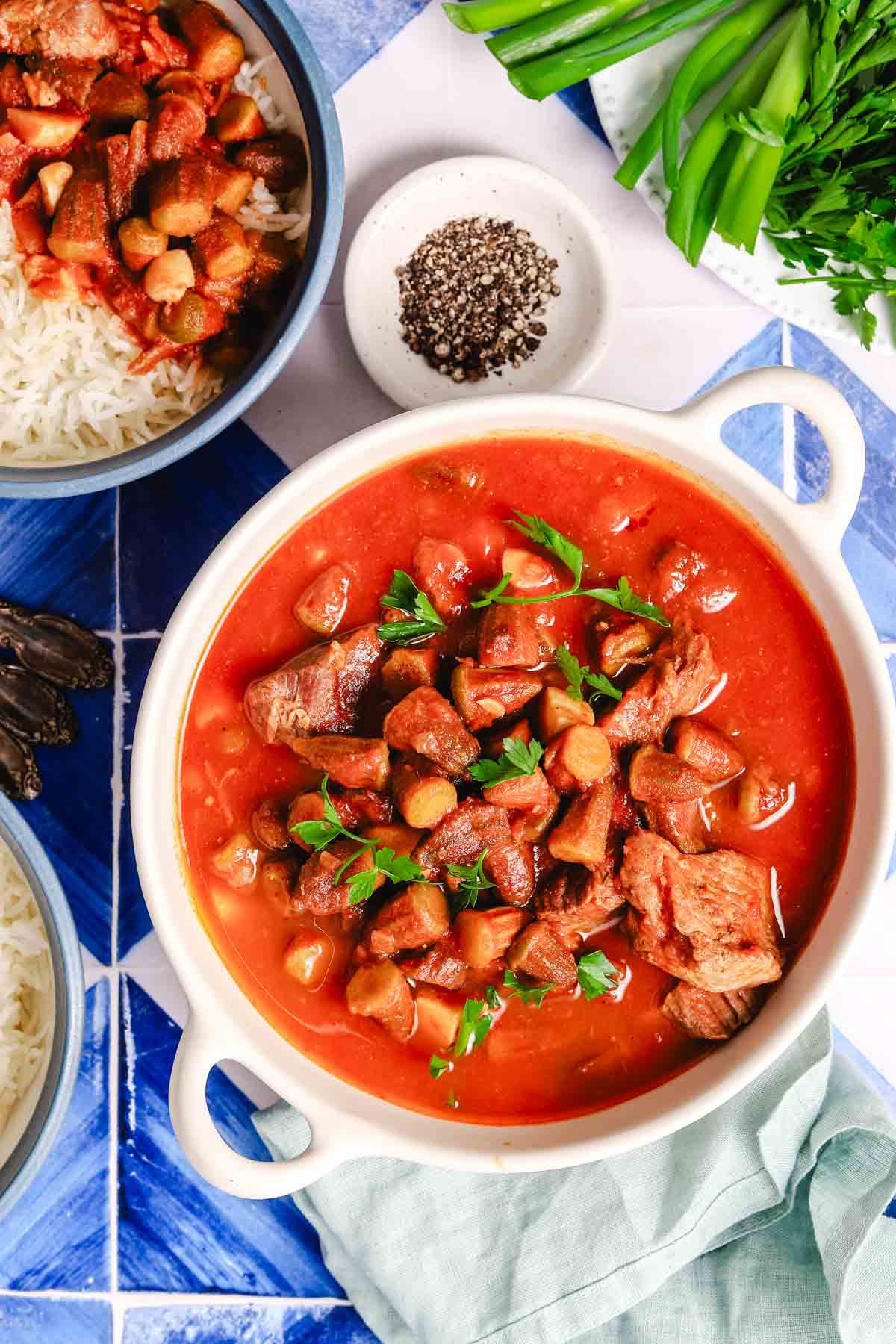
Okra Stew: From Middle Eastern Bamya to Southern Comfort Food
Okra stew, a dish as diverse as the cultures that embrace it, stands as a testament to the power of simple ingredients transformed into something truly extraordinary. Whether you know it as "Bamya" simmering fragrantly in kitchens across the Middle East, or as a hearty, soul-satisfying comfort food in the American South, this versatile stew consistently delivers a profound sense of warmth and nourishment. Far from being just another vegetable dish, okra stew is an economical, nutrient-packed, and deeply satisfying one-pot wonder that has captivated palates for generations, challenging common misconceptions about its texture and proving its universal appeal.
The Global Journey of Okra Stew: A Culinary Tapestry
The humble okra pod, botanically a flowering plant rather than a vegetable, has traveled far and wide, weaving its way into the culinary traditions of diverse regions. Its journey truly highlights the unifying power of food.
From Ancient Roots: Middle Eastern Bamya
In the heart of the Middle East, particularly in countries like Iraq, Egypt, and Lebanon, okra stew is celebrated as "Bamya." This classic comfort food is often steeped in tradition and childhood memories. For many, the aroma of Bamya simmering on the stove alongside a pot of fluffy vermicelli rice evokes a powerful sense of nostalgia. The Middle Eastern rendition typically features tender okra bathed in a rich, often meat-based sauce, with lamb, beef, or veal providing a deep, savory foundation. Iraqi-style Bamya, for instance, is renowned for its generous use of garlic and a "magic touch" of pomegranate molasses, which introduces a delightful sweet and tangy counterpoint to the savory richness. This combination creates a unique depth of flavor that is truly unforgettable. The stew naturally thickens as it simmers, thanks to okra's inherent properties, developing a luscious, gravy-like consistency perfect for spooning over rice.
Crossing Continents: Southern Comfort and Beyond
As okra made its way across continents, it quickly became a staple in the Southern United States, West Africa, and South Asia. In the American South, okra stew evolved into its own beloved form of comfort food, often prepared with chicken or beef, and seasoned with a distinct blend of spices that speaks to the region's vibrant culinary heritage. Here, it’s cherished as a dish that provides a "hug in a bowl" after a long day, embodying the soulful warmth of home cooking. While the accompanying herbs, spices, and choice of protein might shift from one culture to another, the core essence of a hearty, flavorful stew built around the distinctive okra remains constant. This global culinary tapestry showcases okra stew not just as a meal, but as a cultural touchstone.
Mastering the Okra: From Slimy to Sublime
The most common concern associated with okra is its notorious "sliminess." However, with a few simple techniques, this characteristic can be either minimized or artfully leveraged to enhance the stew's texture. Dispelling the myth that okra must always be slimy is key to unlocking its full potential in your kitchen.
Tackling the Slime Factor
*
Sautéing is Your Friend: One of the most effective methods to combat sliminess is to sauté your okra for a few minutes before adding it to the stew. This quick searing helps seal the okra and reduces the release of its mucilage.
*
Choose Wisely: When it comes to variety, many seasoned cooks prefer using *frozen young okra*, which is often smaller and more tender, cooking easily without becoming tough. If you opt for fresh, larger okra, be aware that it can sometimes be more challenging to tenderize. Fresh okra will always require you to cut off the stem ends before cooking.
*
Pre-Prep Matters: If using frozen okra, it’s best to let it thaw completely. This prevents excess water from diluting your stew and can also help in reducing sliminess by allowing some of the mucilage to drain away before cooking.
*
Embrace the Thickness: It’s important to note that a small amount of residual sliminess can actually be beneficial, acting as a natural thickener for your stew. If you desire a thicker consistency without relying solely on okra's natural properties, a simple slurry of cornstarch and water can be stirred in during the final stages of cooking to achieve the perfect gravy-like texture. For more detailed techniques to perfect your stew, consider exploring resources like
Master Non-Slimy Okra Stew: Comforting, Easy, and Delicious.
By employing these straightforward strategies, you can transform okra from a potentially challenging ingredient into a delightful, melt-in-your-mouth component of your stew, ensuring a truly sublime culinary experience.
Building the Perfect Okra Stew: Core Ingredients and Flavor Foundations
At the heart of any great okra stew lies a robust foundation of key ingredients that create a canvas for regional variations and personal preferences. While okra is undeniably the star, the supporting cast plays a crucial role in developing the stew's character.
The Universal Base
The fundamental flavor base for many okra stews, whether Middle Eastern or Southern, typically includes:
- Okra: Of course, the star! Choose fresh or frozen according to availability and preference.
- Onions: The aromatic backbone. To ensure a smooth stew free from chunky onion bits, make sure to chop them to a small, uniform size and sauté them until they are soft and translucent before proceeding.
- Garlic: Essential for depth and pungency. The Middle Eastern versions, in particular, often call for a generous amount of garlic, which elevates the overall profile.
- Tomato Paste: This provides the rich, tangy base and vibrant color characteristic of many okra stews, thickening the sauce and adding a wonderful umami depth.
Flavor Enhancers and Regional Specialties
Once you have this basic foundation, the magic of culinary customization truly begins.
- Middle Eastern Flair: To achieve that authentic "Bamya" taste, consider adding a hint of pomegranate molasses. This secret ingredient imparts a unique sweet and tangy note that beautifully balances the richness of the stew. Furthermore, utilizing a lamb, veal, or beef broth instead of plain water will significantly enhance the depth and traditional flavor profile.
- Southern Comfort Notes: For a Southern-style stew, the choice of meat often leans towards chicken or beef, simmered with ingredients like bell peppers and a specific blend of regional spices, perhaps with a touch of hot sauce for a kick.
- Herbs and Spices: Beyond garlic, consider additions like dried coriander, turmeric, paprika, or bay leaves. Fresh cilantro or parsley can be added at the end for a burst of freshness.
The combination of these staple ingredients creates a symphony of flavors, allowing you to tailor your okra stew to your desired cultural profile while ensuring a consistently delicious and satisfying meal.
Crafting Your Own Okra Stew: Vegetarian, Meat, and Beyond
One of the most appealing aspects of okra stew is its remarkable adaptability. Whether you're a devout meat-lover or prefer a plant-based meal, there's a version of this hearty dish waiting for you to discover and enjoy.
The Hearty Vegetarian Option
For those seeking a meat-free alternative, okra stew is an incredibly fulfilling option. The natural body and richness come from the okra itself, combined with the robust base of tomato, onion, and garlic.
- Spinach Infusion: Some vegetarian recipes elevate the stew by simmering the okra in a herb-infused spinach soup base. This not only adds a vibrant color and extra nutrients but also contributes to a naturally thick, gravy-like consistency that pairs beautifully with grains.
- Plant-Based Proteins: To boost the protein content, consider adding chickpeas, lentils, or cannellini beans during the simmering process. These legumes absorb the rich flavors of the stew beautifully.
- Flavorful Broth: Using a high-quality vegetable broth is crucial for developing a deep, savory flavor in vegetarian versions, ensuring the stew doesn't taste flat.
Robust Meat-Based Renditions
For a traditional, deeply satisfying experience, meat-based okra stews are unparalleled.
- Choice of Meat: As seen in the Middle East, lamb, veal, or beef are popular choices, often browned first to lock in flavor before slow simmering until fork-tender. This process imbues the entire stew with a rich, meaty essence.
- Chicken: In the Southern U.S., chicken pieces (thighs or drumsticks work well) are frequently used, providing a lighter yet still deeply flavorful stew that's perfect for a comforting family meal.
- Browning for Depth: Regardless of the meat choice, always take the time to properly brown it before adding liquids. This step is crucial for developing a rich, complex flavor profile that permeates the entire dish.
Serving Suggestions for Every Palate
Okra stew is incredibly versatile when it comes to serving. Traditionally, Middle Eastern Bamya is spooned generously over fluffy vermicelli rice, allowing the rice to soak up every drop of the luscious sauce. In other cultures, it might be enjoyed with plain steamed rice, quinoa, or even crusty bread for dipping. It's truly a complete meal in a bowl, perfect for any season. For further inspiration on both vegetarian and meat-based creations, don't miss our comprehensive guide:
Easy Steps to Hearty Okra Stew: Vegetarian & Meat Options.
In conclusion, okra stew, in all its global manifestations, is more than just a recipe; it's a culinary journey. From the nostalgic "Bamya" of Middle Eastern childhoods, rich with garlic and pomegranate molasses, to the comforting, soul-satisfying bowls enjoyed in the American South, this adaptable dish proves its enduring appeal. By understanding the nuances of preparing okra to perfection and embracing the diverse flavor profiles, you can craft a hearty, economical, and delicious meal that will leave you feeling deeply satisfied. So, gather your ingredients, choose your style, and embark on your own flavorful adventure with okra stew—a truly global comfort food.